


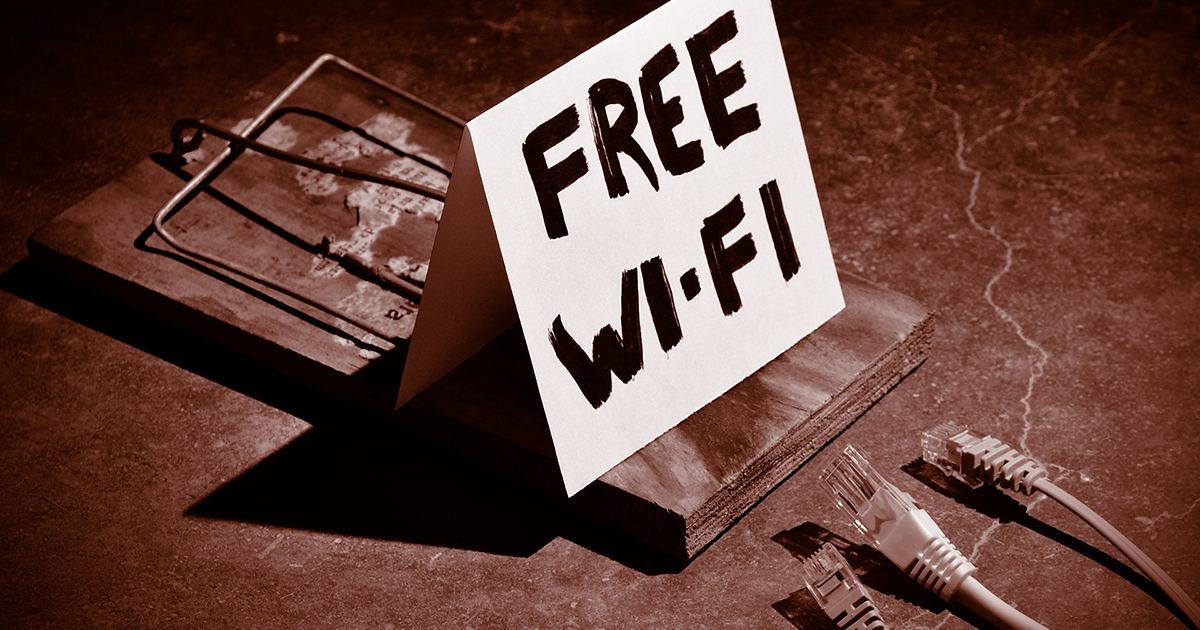
As we navigate our increasingly digital lives, public Wi-Fi has become an essential part of our daily routines. Whether you're sipping coffee at your favorite café or waiting for a flight at the airport, connecting to free internet can feel like a blessing. However, lurking beneath the surface is a world of hidden dangers that could jeopardize your personal information and online security. It’s easy to forget that these seemingly convenient networks come with risks that might make you think twice before logging in next time.
What is Public Wi-Fi?
Public Wi-Fi refers to wireless internet connections that are available in public places. These can be found in cafes, airports, libraries, and parks. The appeal is undeniable; it offers convenience and a way to connect while on the go.nUnlike private networks secured by passwords, public Wi-Fi often has minimal restrictions. This means anyone nearby can access it with little effort.
While this accessibility enhances user experience, it also creates vulnerabilities. Without proper safeguards in place, users risk exposing their sensitive information to malicious actors lurking nearby. As more people rely on these networks for everyday tasks—like checking emails or browsing social media—the risks multiply. Understanding what constitutes public Wi-Fi is crucial for making informed decisions about when and how to connect safely.
Common Risks of Public Wi-Fi:
Public Wi-Fi can seem like a convenient option, but it harbors several hidden risks. Cybercriminals often lurk on unsecured networks, ready to intercept personal information such as passwords or credit card details.
Hackers frequently employ tools that let them monitor network traffic, capturing sensitive communications without users’ knowledge. These vulnerabilities highlight why caution is crucial when using shared connections in cafes, airports, or libraries where security measures are often lacking. Public Wi-Fi can be a hacker’s playground.
When you connect to an unsecured network, your data is like tempting bait for cybercriminals. They can intercept your information without much effort.
Identity theft is one of the most alarming risks associated with these networks. Hackers often use techniques like packet sniffing to capture sensitive data such as passwords and credit card details. Once they have this information, they can impersonate you or make unauthorized purchases.
Imagine logging into your bank account at a café only to find out later that someone else accessed it first. The consequences are serious and can take months, sometimes years, to resolve.
Awareness is key in navigating these dangers. Always think twice before connecting to public Wi-Fi, especially when handling personal or financial matters online. Your identity could depend on it.
Malware and Viruses
Malware and viruses pose significant threats when you connect to public Wi-Fi. Cybercriminals often set up rogue networks that mimic legitimate hotspots. Once you're connected, they can easily deliver malicious software directly to your device.
This malware can disrupt your system or steal sensitive information without your knowledge. Ransomware is particularly alarming; it locks access to your files until a ransom is paid.
Moreover, even seemingly harmless applications can become conduits for infection on a weak network. One careless click could unleash chaos, compromising personal data like passwords and bank details.
Staying vigilant while using public Wi-Fi is crucial in preventing these attacks. Adopting basic cybersecurity measures helps protect against the lurking dangers of malware and viruses in shared spaces.
Snooping and Eavesdropping
Snooping and eavesdropping are two of the most insidious threats lurking in public Wi-Fi environments. When you connect to an unsecured network, your data becomes vulnerable to prying eyes.
Hackers can easily intercept unencrypted communications. This means that anything from your emails to instant messages could be captured by someone nearby with malicious intent.
Imagine sitting in a crowded café, casually browsing social media or checking bank statements. What seems harmless may actually expose sensitive information. The risk is amplified when others use the same connection.
Even seemingly secure websites might not be entirely safe if you're on a public network without proper protections in place. Cybercriminals often employ tools designed specifically for this purpose, scanning networks for unsuspecting users who let their guard down.
Always remain vigilant and consider what you share while connected to public Wi-Fi; it’s better to err on the side of caution than regret later.
Ways to Protect Yourself on Public Wi-Fi:
A Virtual Private Network, or VPN, is your digital shield when using public Wi-Fi. It creates a secure tunnel between your device and the internet, encrypting your data.
This means that even if someone tries to intercept your connection, all they see is gibberish. Your information remains private and secure.
Using a VPN also masks your IP address. This adds an extra layer of anonymity while you browse the web in cafes or airports.
Many reputable VPN services are available for both mobile devices and computers. Choose one that fits your needs best; some offer free options with limited features.
Remember to activate it every time you connect to public Wi-Fi networks. Even a momentary lapse could expose you to potential threats lurking nearby.
Avoid Performing Sensitive Activities
When using public Wi-Fi, it's wise to steer clear of sensitive activities. This includes online banking and shopping. Those actions require entering personal information that can be easily intercepted.
Consider the risks involved in logging into accounts while connected to an open network. Cybercriminals often lurk on these networks, waiting for a chance to snatch your data.
Even checking emails can be risky if they contain confidential information or links that might lead to malware. It's better to wait until you’re on a secure connection before diving into sensitive tasks.
Being cautious means protecting yourself from potential identity theft and financial loss. The convenience of public Wi-Fi isn't worth jeopardizing your security over simple tasks that can wait for a safer environment. Always think twice about what you do while connected in such spaces; it could save you from serious trouble later on.
Update Your Device’s Security Settings
Updating your device’s security settings is a crucial step in safeguarding your information on public Wi-Fi. Many people overlook this simple measure, thinking their devices are safe by default.
Start by ensuring that your operating system and applications are always up to date. Software developers regularly release patches to fix vulnerabilities, making it essential to install these updates promptly.
Next, enable the firewall on your device if it's not already activated. A firewall acts as a protective barrier against unauthorized access.
Adjust privacy settings for apps and network connections too. Limit data sharing where possible and disable automatic connections to open networks.
Finally, consider disabling file sharing features when using public Wi-Fi. This minimizes the risk of exposing sensitive files or folders inadvertently. Taking these steps can significantly enhance your online security while enjoying that free coffee shop internet.
Real Life Examples of Public Wi-Fi Attacks:
In 2018, a shocking incident unfolded at Starbucks locations in Argentina. Cybercriminals managed to exploit the store's public Wi-Fi network.
Using sophisticated techniques, they targeted unsuspecting customers who connected their devices. Once on the network, hackers could intercept personal information like passwords and credit card details. The breach led to significant financial losses for many victims. It highlighted just how vulnerable people can be when using unsecured networks in seemingly safe environments.
Starbucks quickly took action by enhancing security measures. However, the damage was done, leaving many patrons wary of connecting while enjoying their favorite coffee.This event serves as a stark reminder that even well-known establishments are not immune to cyber threats lurking in public spaces.
Data Breach at Wawa Stores
In 2019, Wawa made headlines for a significant data breach that left customers vulnerable. Hackers infiltrated the chain’s payment processing system, compromising credit and debit card information. The breach affected millions of transactions across multiple locations. Customers who used their cards at Wawa gas stations and convenience stores found themselves at risk of identity theft.
Wawa responded by informing its customers and enhancing security measures. However, the damage was done. Many individuals faced unauthorized charges on their accounts. This incident serves as a stark reminder of how easily personal data can be compromised in public settings. It highlights the need for vigilance when using public Wi-Fi networks while shopping or dining out.
Such breaches not only affect companies but also shake consumer trust significantly. It's crucial to stay informed about where your personal information is being used and potentially misused.
Alternatives to Using Public Wi-Fi:
Using a personal hotspot can be a game changer when you're on the go. Instead of connecting to an unsecured public Wi-Fi network, you can rely on your own mobile data.
This option is not only more secure but also provides greater control over your internet connection. You know who has access and are less vulnerable to potential threats lurking in crowded cafes or airports.
Setting up a hotspot is usually straightforward. Most smartphones have built-in features that allow you to share your data connection with other devices seamlessly. Just remember to monitor your data usage!
In busy environments, having a personal hotspot means you won't need to compete for bandwidth with countless others around you. This often results in faster speeds and more reliable connections for all your online activities, from work emails to streaming videos.
Mobile Data Plans
Mobile data plans offer a reliable alternative to public Wi-Fi. They provide secure internet access right from your smartphone or tablet.
With a mobile plan, you can browse the web, stream videos, and check emails without worrying about hackers lurking nearby. The connection is typically encrypted and much harder for cybercriminals to infiltrate.
Many providers now offer flexible options tailored to varying needs. You can choose between unlimited data or specific usage limits that suit your lifestyle.
Using mobile data also means you’re not reliant on finding a café or other hotspot when you need an internet connection. This convenience allows for seamless productivity even while on the go.
Additionally, advances in technology have led to faster speeds and improved coverage areas. Staying connected has never been easier or more efficient than with today’s mobile data solutions.
Conclusion: Importance of Being Cautious
Navigating the world of public Wi-Fi requires a careful approach. The allure of free internet access can often cloud our judgment, leading us to overlook potential threats. Being aware of the dangers associated with public Wi-Fi is crucial for protecting your personal information and digital assets.
It’s essential to recognize that not all networks are created equal. Some may be secure, but many are not, making them prime hunting grounds for cybercriminals. Taking preventative measures like using VPNs or avoiding sensitive transactions while on these networks can significantly reduce your risk.
Staying updated on security settings and being mindful about where you connect will help keep vulnerabilities at bay. With incidents like the Starbucks hack in Argentina or data breaches at Wawa stores highlighting real-life risks, it’s clear that awareness and caution are key.
Prioritizing your online safety when utilizing public Wi-Fi should always be top of mind. By staying informed about potential dangers and employing protective strategies, you can enjoy connectivity without compromising your security.